
Sol88 · Murano, 2025 × Soléva
Moon-Lit
Medusa
Blown by the hand of Massimiliano Schiavon on the island of Murano. A body of softness suspended inside permanence, ringed in gold, that returns light long after the room goes dark.

Two states
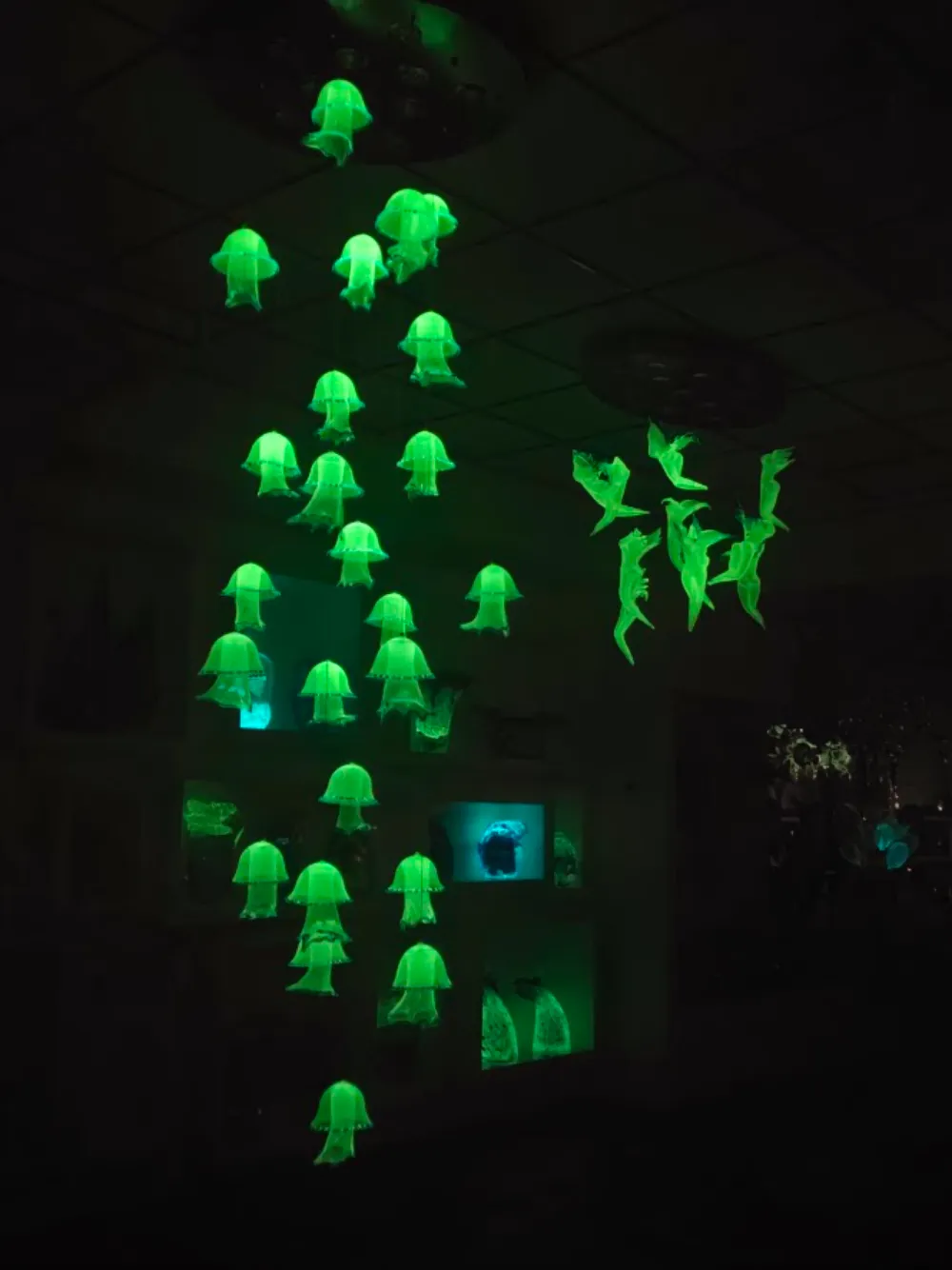
Lights on, she is white and gold. Lights off, she glows green.


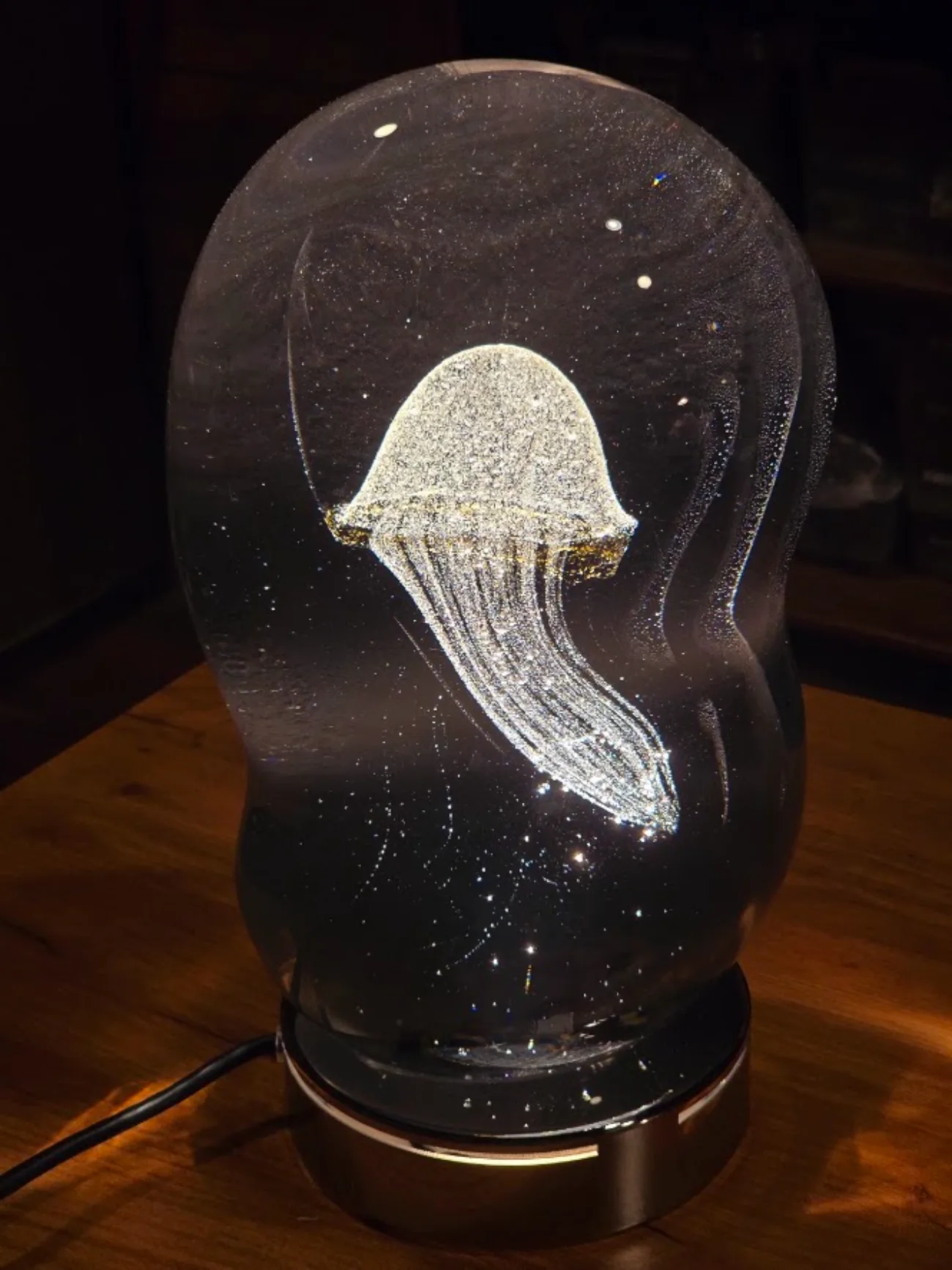
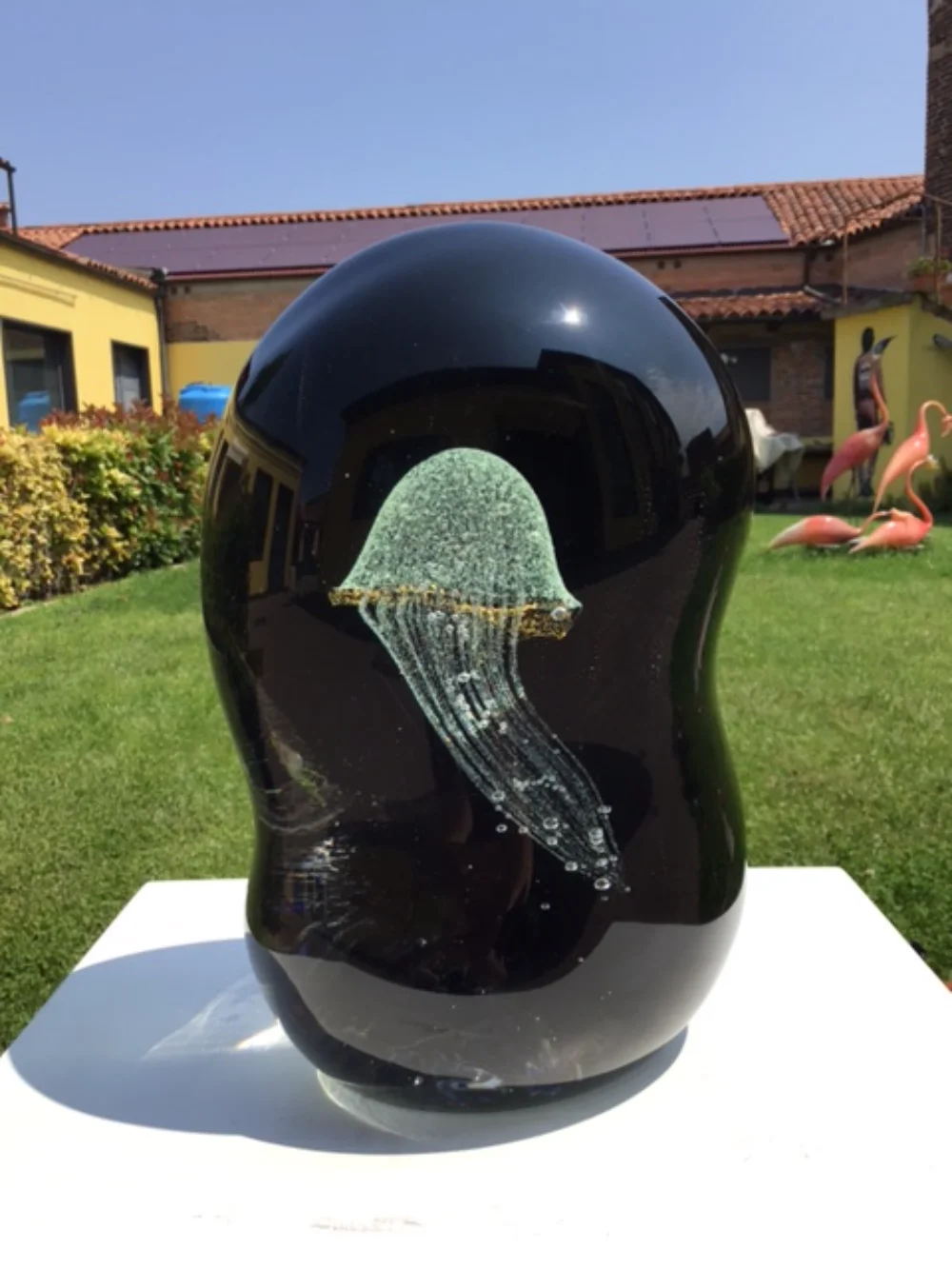
The golden ring is a point of connection, a quiet reminder that what holds things together is not always force.
Curator’s note
The making · Murano, Venice
Sand and heat become glass. Sand, heat, knowledge, time and cultural memory become Murano.
Filmed in the Schiavon furnace, May 2025. The bell drawn, the tentacles pulled, the gold laid while the glass still moves.
Why Murano
Venice was the first time I had been in Europe, 2015. A decade later I returned to curate light.
Lost in the streets where the light itself is the inspiration, I looked for the material that called me. So much of its gold captured my eyes.
But the hands are what I was seeking. The transfer of energy. The sweat of your ancestors to master the craft.
It is on the island of Murano that the connection was inevitable. Is it because I am from an island myself?
Soléva, Venice, May 2025

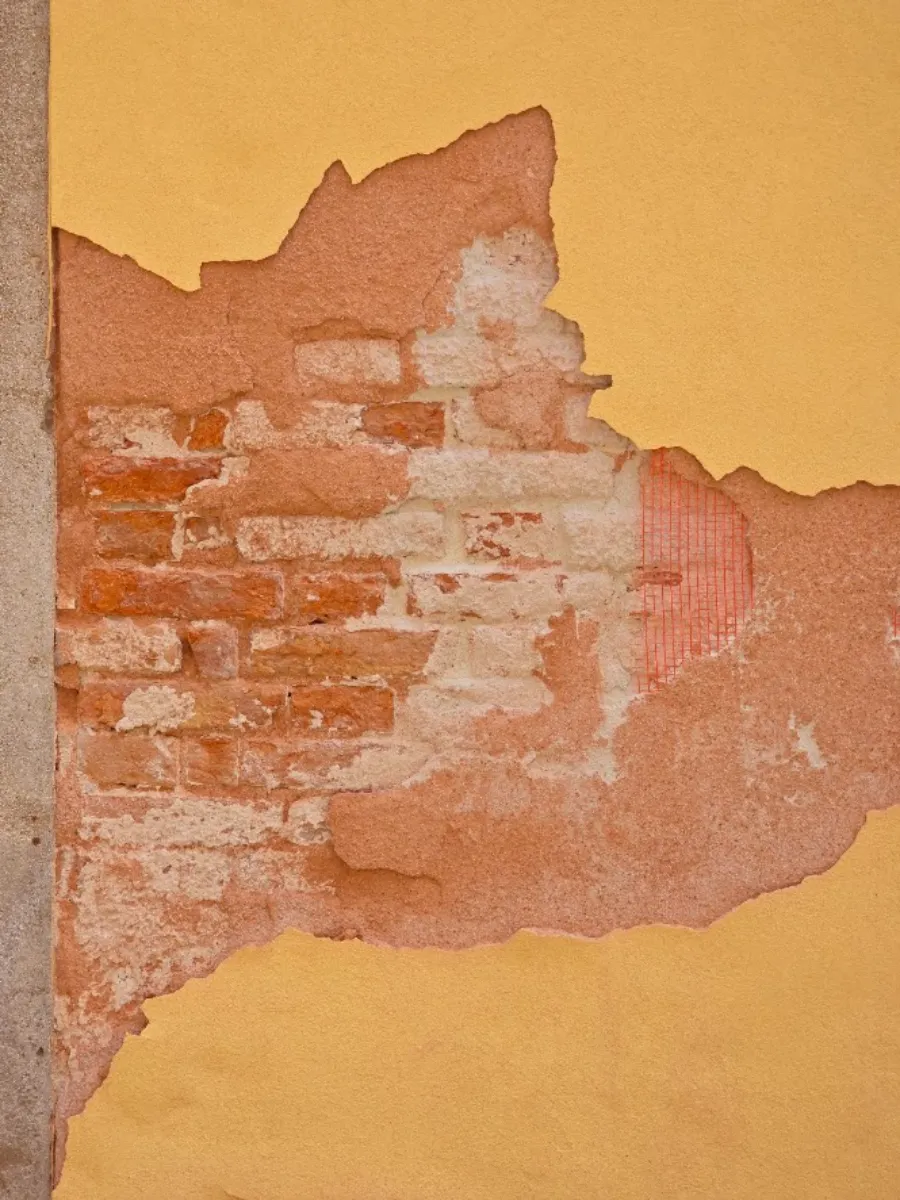
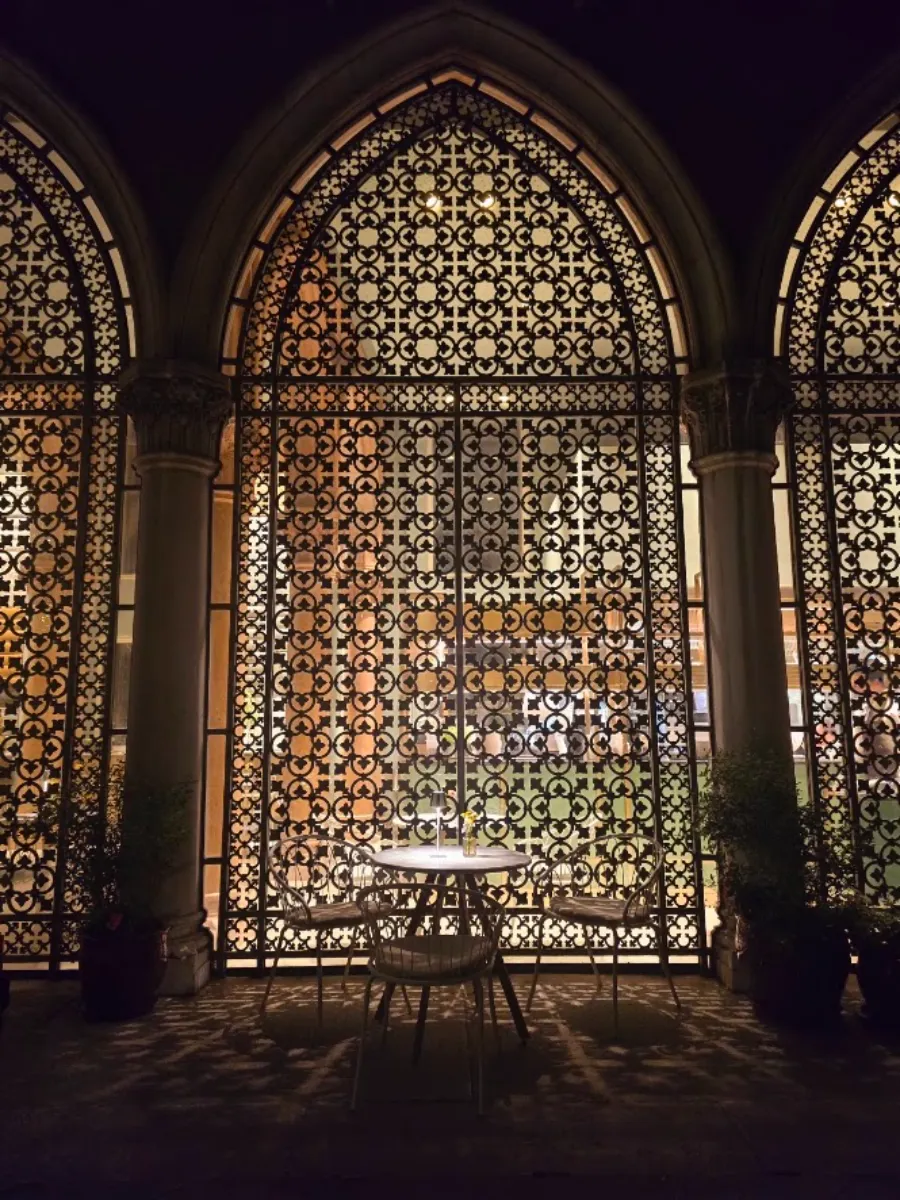
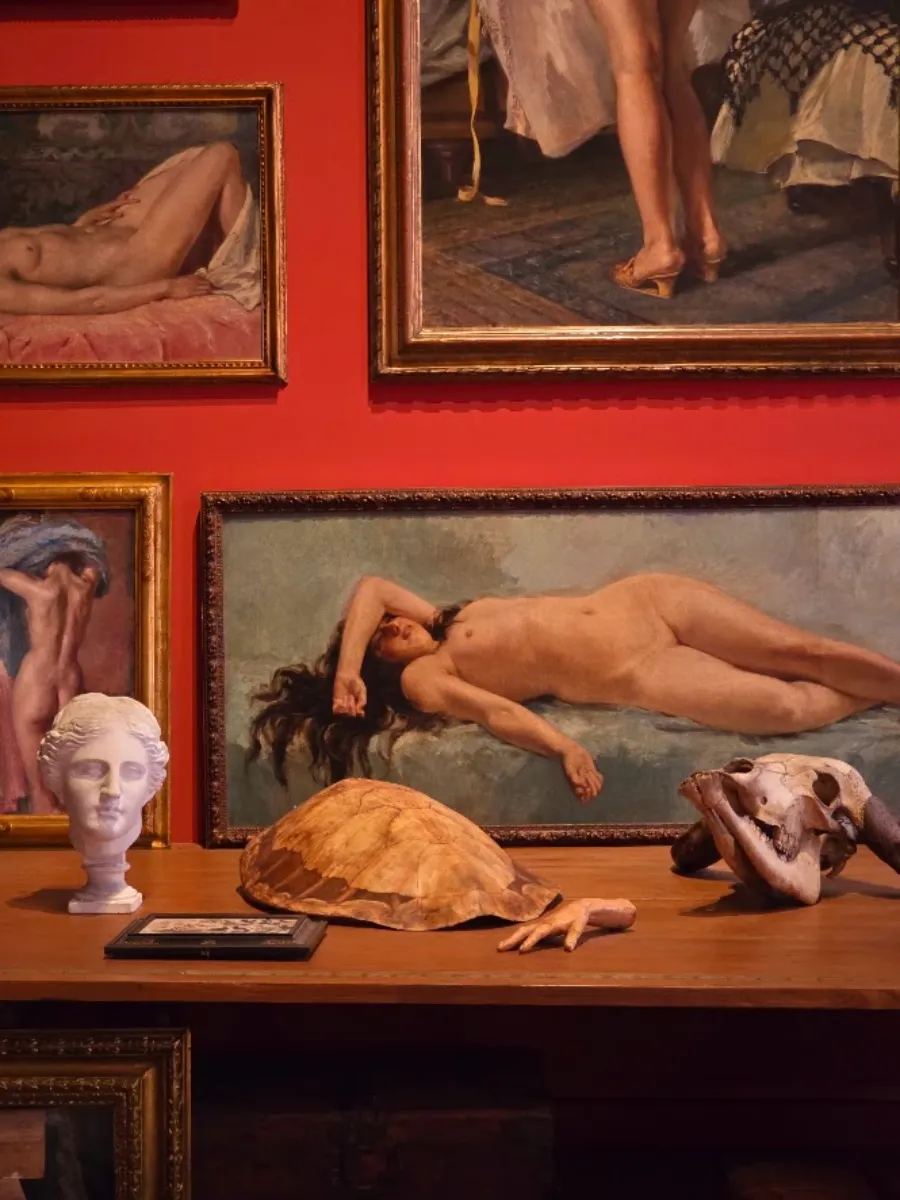
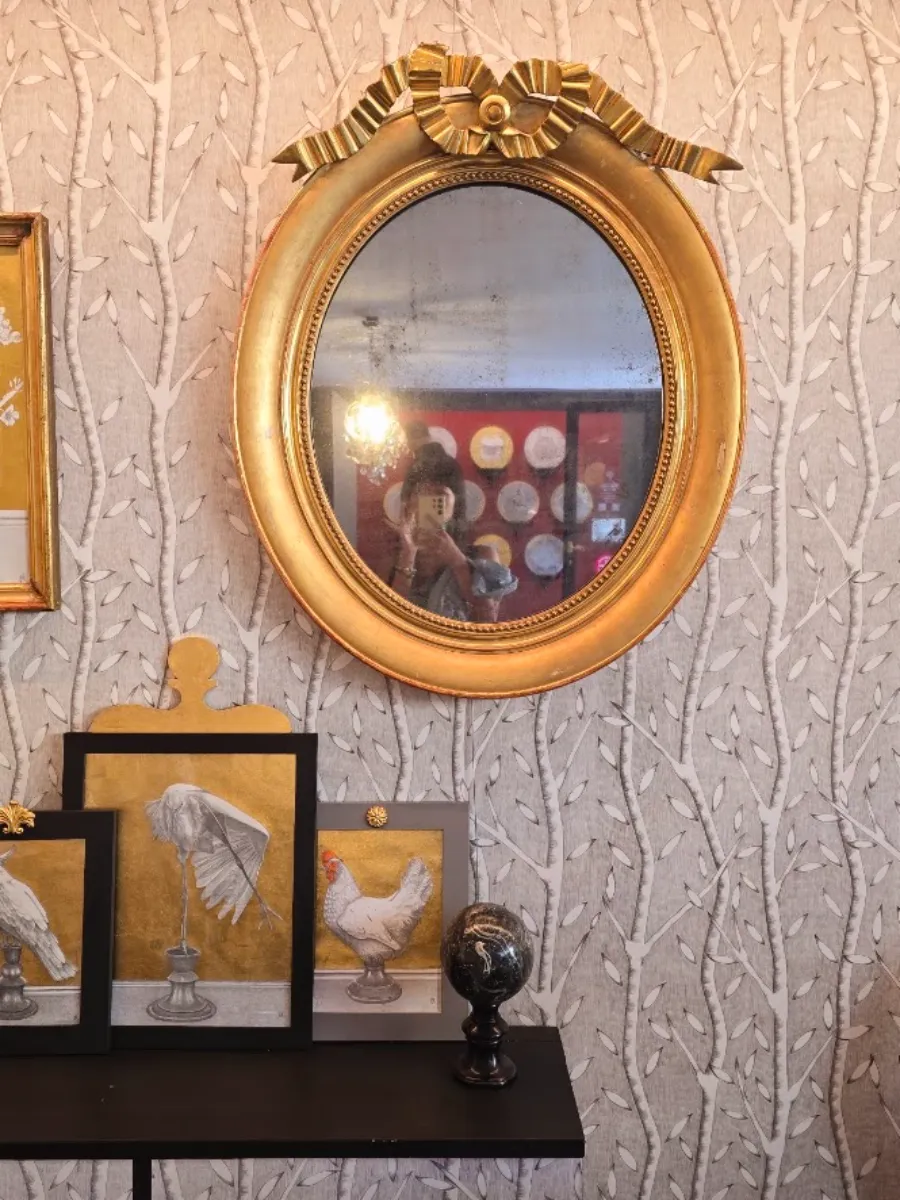
Venice, May 2025 · photographed by Soléva
Lost in the streets where the light itself is the inspiration
The city that set the frequency for this commission: gold, water, and rooms that keep their shadows.
Lineage · why she is called Medusa
Floating phantoms, drawn before they could be photographed
Medusa is the old scientific name for the free-swimming jellyfish: a bell that pulses, a body that is mostly water and light.

Plate from A. G. Mayer, Medusae of the World, 1910. Public domain, via the Biodiversity Heritage Library.
Before a jellyfish could be filmed or kept alive in a tank, it could only be held by the hand of a draughtsman. Alfred Goldsborough Mayer spent years at sea collecting them, and in 1910 published seventy-six colour plates across three volumes, describing some seven hundred species.
Where Ernst Haeckel had turned the medusa into baroque spectacle, Mayer drew what he saw: tentacles subdued, bells left transparent, colour muted to what the creature actually held. Both were trying to solve the same problem. How do you fix something that is almost entirely water, and gone the moment it is lifted out?
Glass answers it differently. Moon-Lit Medusa does not describe the creature from the outside; she is suspended in a material with the same refusal to be solid or liquid, and she keeps her light when the room loses its own.
See the plates at the Public Domain Review ↗Curator’s note
The Value of Mastery
On sand, semiconductors, and the space between worlds.
{{ p.text }}
The material did not become miraculous. Our relationship with it did.
Enquire
This piece is best seen in the dark
Private viewings are arranged by appointment, in person or by video, so the phosphorescence can be shown as it is meant to be experienced. The work travels with its certificate of authenticity.
Thank you. Your note is on its way.
A reply usually arrives within two working days, from eva@soleva.art.